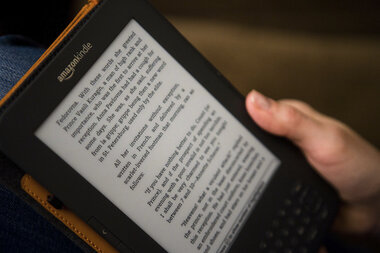
Over 70 bestselling authors including Dennis Lehane, Gregory Maguire, and Lauren Groff have issued a bombshell open letter demanding publishers promise to “never release books created by machines.”
The letter, published on the literary website Lit Hub, represents the most significant organized resistance to AI in publishing to date. These aren’t fringe voices—they’re award-winning, commercially successful authors whose books have sold millions of copies worldwide.
The Five Demands
The authors’ letter lays out specific requirements for publishers:
- No AI-written books – Publishers must refuse to release books written using AI tools, especially those trained on copyrighted content without author consent
- No replacing employees with AI – Publishing houses must not replace editors, designers, or other staff with artificial intelligence
- Human narrators only – Audiobooks must be recorded by human voice actors, not AI-generated voices
- Compensation for training data – Authors whose work was used to train AI models deserve payment
- Transparency requirements – Any AI involvement in book production must be disclosed to readers
Why Now?
The timing isn’t coincidental. Publishers Weekly’s latest salary survey revealed that 63% of publishing companies are now using AI in some capacity. The technology has moved from experimental curiosity to everyday tool faster than anyone anticipated.
“We’re watching our profession be automated in real-time,” one signatory told reporters. “If we don’t draw a line now, there won’t be a line to draw.”
The Audiobook Battleground
The demand for human-only audiobook narration has struck a particular nerve. AI voice synthesis has advanced dramatically, and some publishers have quietly begun experimenting with synthetic narration for backlist titles and lower-budget releases.
Professional narrators, already facing a precarious gig economy, view AI voices as an existential threat. The Authors Guild has thrown its support behind the letter, calling AI narration “a betrayal of the intimate relationship between author, narrator, and listener.”
Publisher Response: Silence
So far, major publishers have declined to comment on the letter or make the commitments the authors are demanding. Industry insiders suggest this silence speaks volumes—publishers are reluctant to close doors on technology that could reduce costs.
“Publishing has razor-thin margins,” one anonymous editor explained. “If AI can cut costs without cutting quality, executives will be tempted. That’s what these authors are fighting against.”
The Counterargument
Not everyone in the writing community agrees with the letter’s stance. Some authors argue that AI tools can help with brainstorming, editing, and marketing without replacing human creativity.
“I use AI like I use spell-check,” one self-published author wrote in response. “It’s a tool. Banning tools doesn’t protect writers—it just makes our work harder.”
Others point out that the letter’s signatories are predominantly successful, traditionally-published authors who may not understand the challenges facing indie writers competing against an avalanche of content.
What Happens Next
The letter has succeeded in forcing a public conversation that publishers hoped to avoid. Whether it leads to concrete policy changes remains uncertain.
Some smaller presses have already announced “AI-free” pledges, hoping to attract authors and readers who prioritize human creativity. Larger publishers continue to hedge, unwilling to commit to restrictions that might limit future options.
For authors caught in the middle, the message is clear: the fight over AI in publishing is just beginning, and choosing sides may soon become unavoidable.
Recommended Resources
The Elements of Style – $9.95
The classic writing guide for clarity and style.
On Writing Well – $15.99
Essential guide to nonfiction writing.
As an Amazon Associate, we earn from qualifying purchases.




Stay in the loop
Get the latest wildlife research and conservation news delivered to your inbox.